

Smart Home

Integrated Rainwater First Flush & Underground Storage System

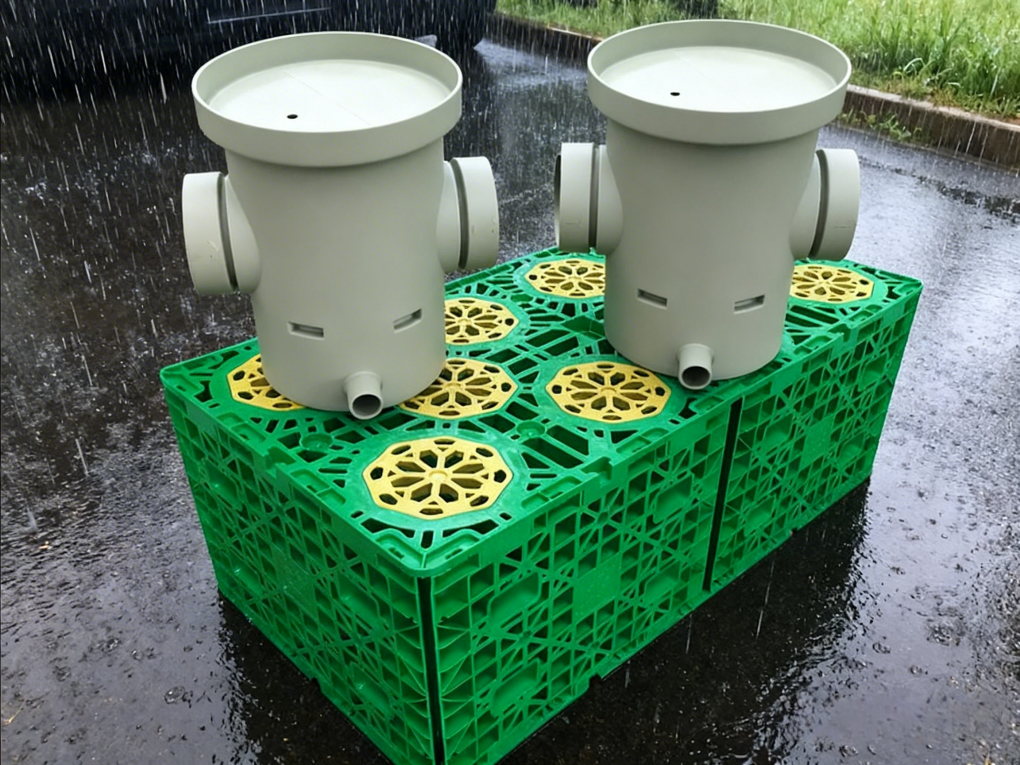
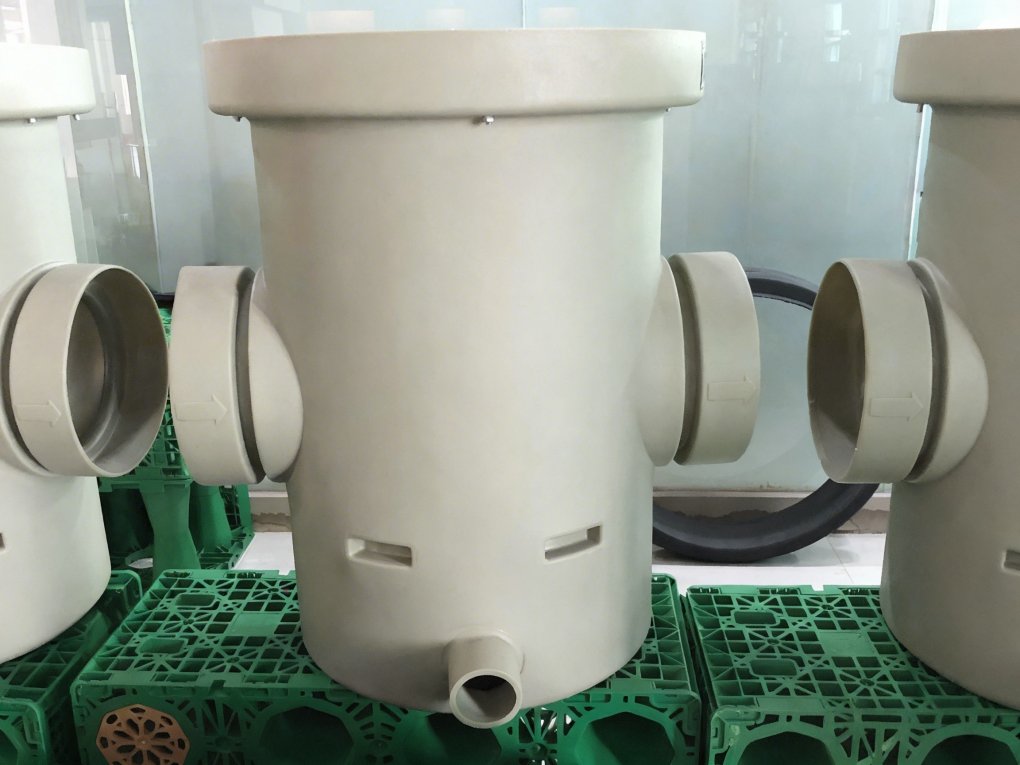
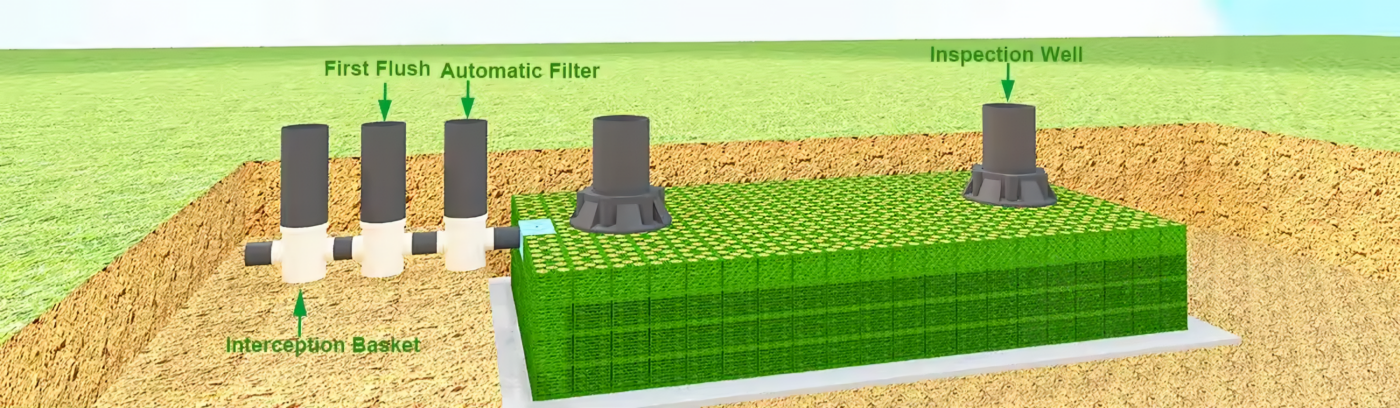
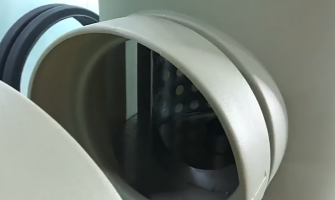
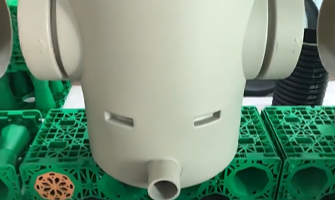
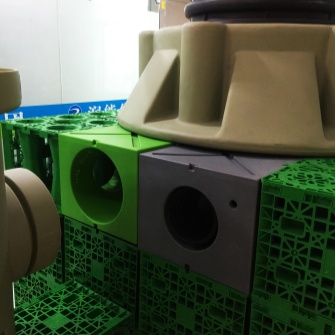
This system integrates first flush filtration with modular underground storage units to provide a one-stop solution for rainwater pre-treatment, storage, and reuse or infiltration.
Material: PP / PE / FRP / Stainless steel / 304
Control method: Rainfall control
Storage Capacity: 200L/tank
Temperature: -30℃~+120℃

Product Details

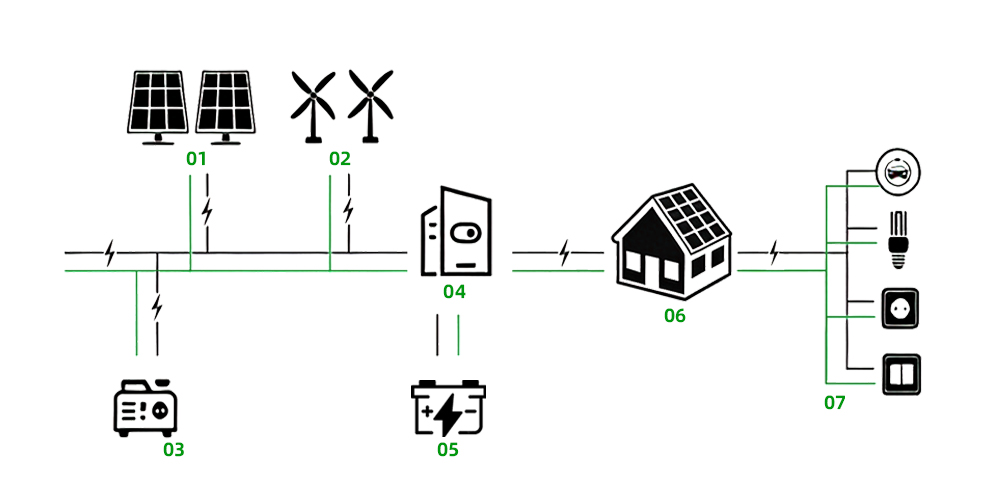
Integrated Housing Solutions

01 Solar Panel
02 Wind Turbine
03 Generator
04 Inverter
05 Battery Storage
06 Prefabricated Villa
07 Electrical Loads

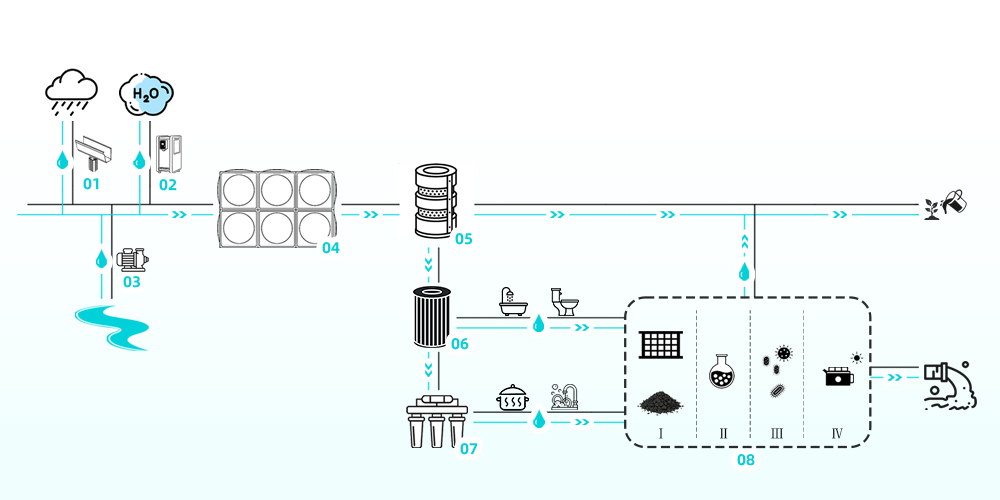
01 Rainwater Collection Gutter
02 Atmospheric Water Generator
03 Water Pump
04 Water Storage Tank
05 Stage‑1 Filter (Pre‑Filter)
06 Stage‑2 Filter (Domestic Water Filter)
07 Stage‑3 Filter (Drinking Water Filter)
08 Integrated Wastewater Treatment Unit


Product Description

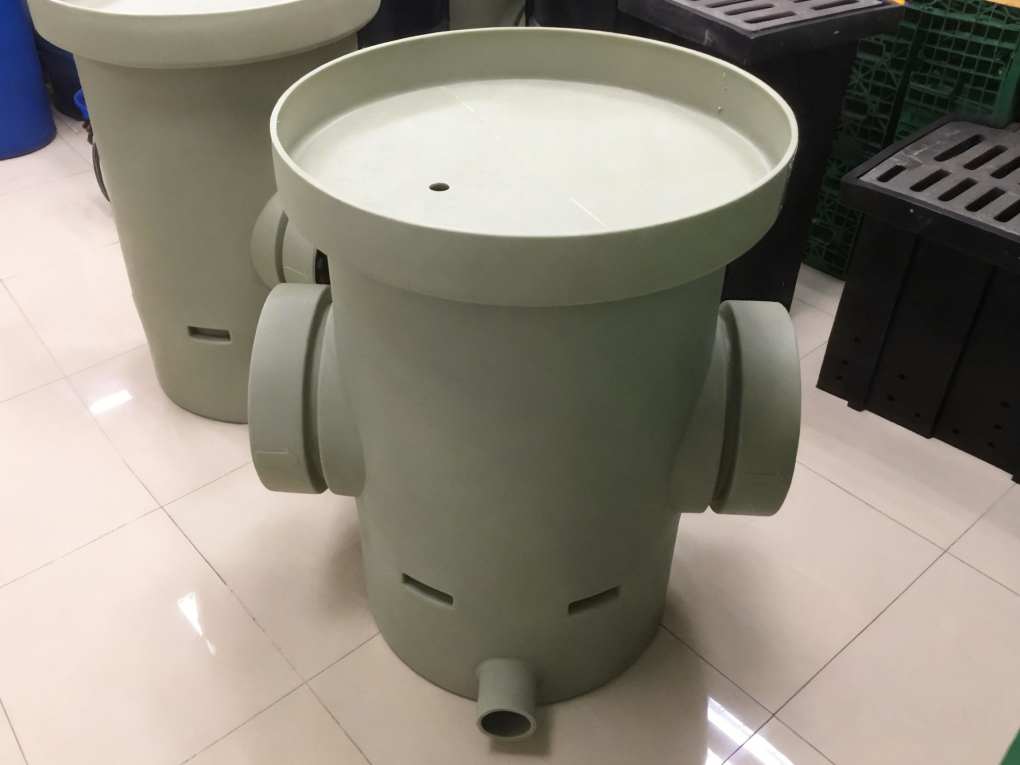
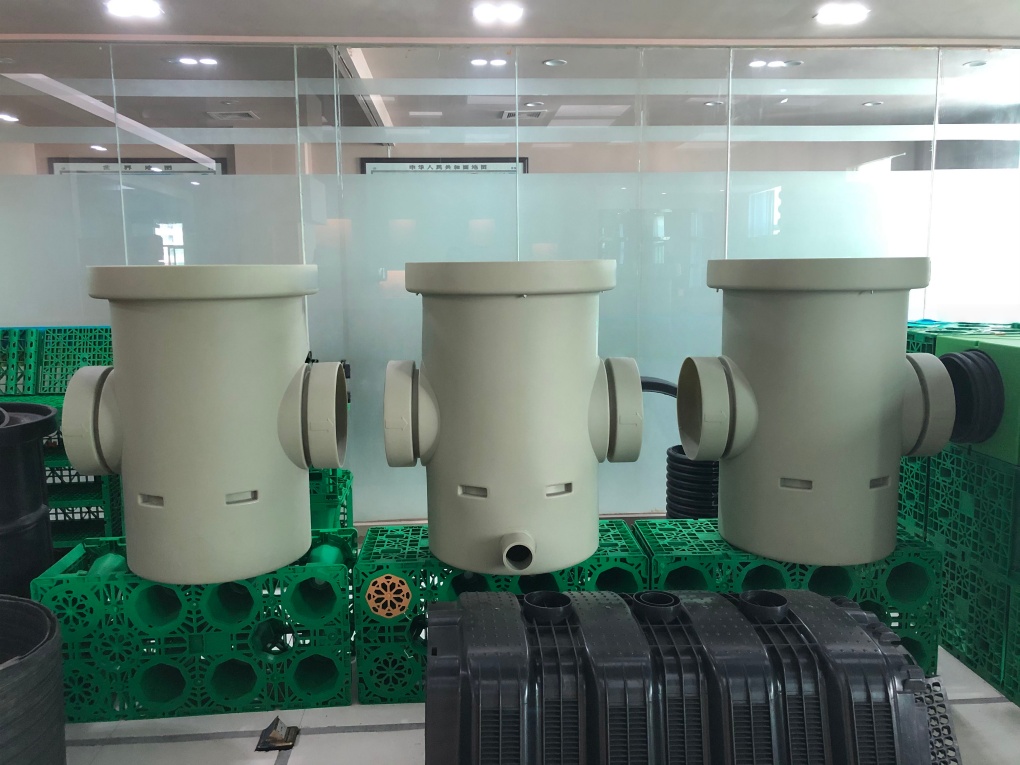
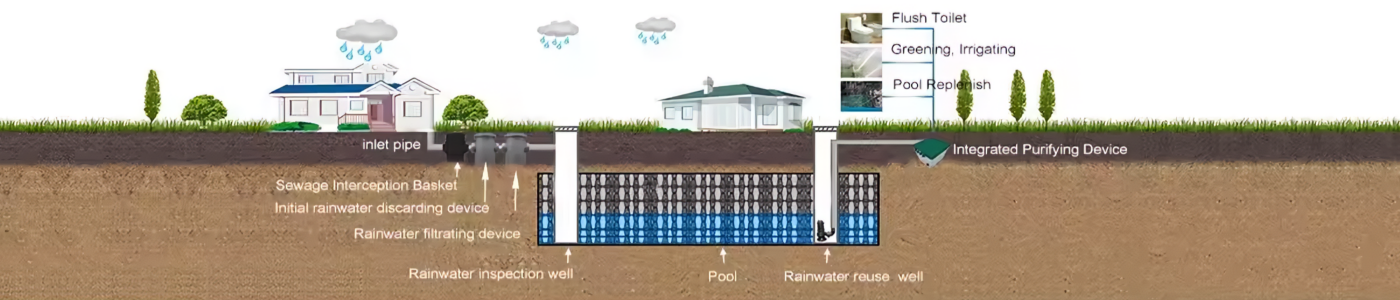
This integrated rainwater harvesting and underground storage system combines a first flush filter with modular underground rainwater storage units. It automatically diverts highly polluted initial runoff and allows cleaner rainwater to be filtered and stored underground for reuse or infiltration.

The system integrates pre-treatment, storage, reuse, and infiltration into one solution, suitable for residential buildings, public facilities, industrial parks, and municipal rainwater reuse projects. It effectively improves water quality and extends the service life of the entire system.


System Advantages

1. Effective removal of initial polluted runoff;
2. Underground storage saves surface space;
3. Modular design with flexible capacity;
4. Supports storage, reuse, or infiltration;
5. Automatic operation with low maintenance;
6. Extends system service life.


Working Principle


1. First Flush Treatment
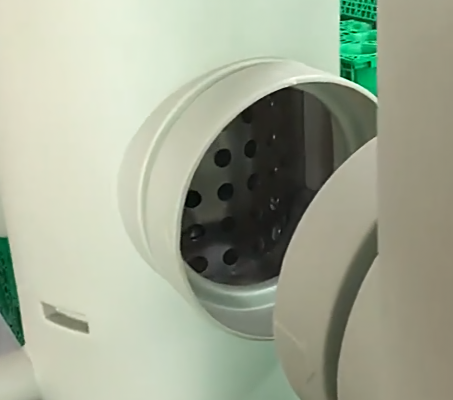
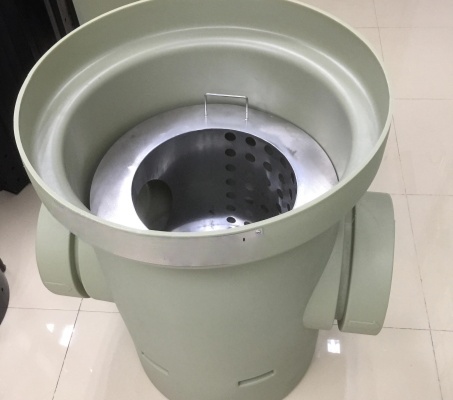
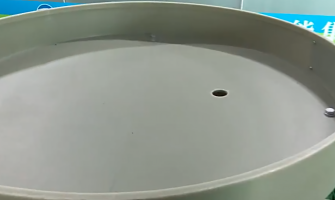
At the beginning of rainfall, dust, sediments, and pollutants accumulated on roofs and pipes are washed away, producing highly contaminated runoff. The first flush filter uses gravity and pressure difference to discharge this initial polluted rainwater through the bottom outlet.
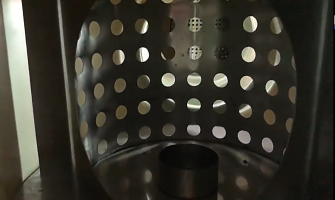
As rainfall intensity increases, the internal floating ball rises and seals the discharge outlet, allowing cleaner rainwater to pass through the filtration section and flow into the underground storage modules.
After rainfall stops, the water level drops, the floating ball resets automatically, and accumulated sediments are discharged, completing the cycle of diversion, filtration, and automatic drainage.
2. Underground Storage
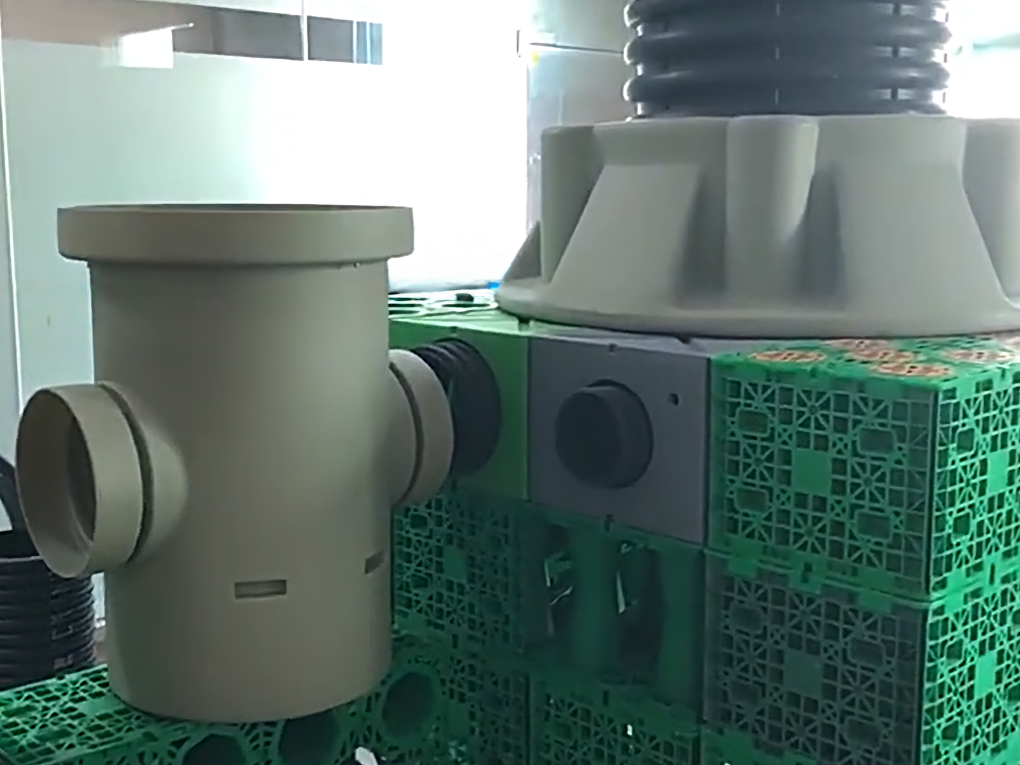
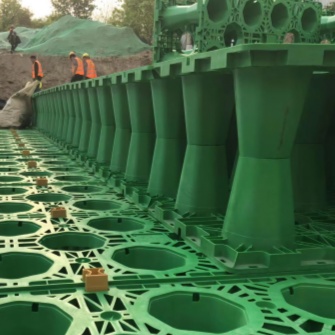
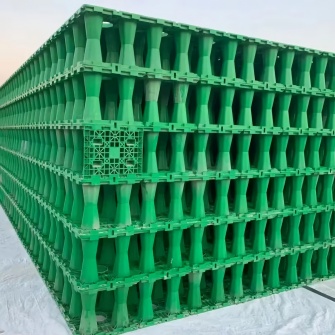
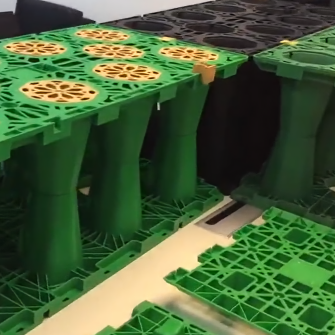
Filtered rainwater is conveyed into modular underground storage units. These modules can be assembled into underground tanks of various sizes for storage, detention, attenuation, or infiltration.
Depending on application, the system can function as:
Rainwater reuse system: modules wrapped with waterproof membrane to store water underground for toilet flushing, irrigation, or cleaning via pump.
Rainwater infiltration system: modules wrapped only with geotextile, allowing rainwater to slowly infiltrate into the soil and recharge groundwater.


Product Details


Installation Process
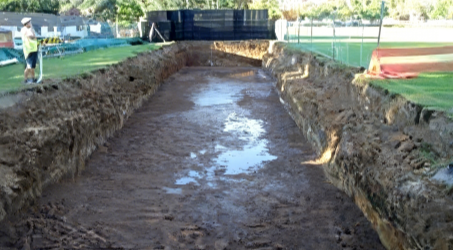
Step 1
Excavate the pit
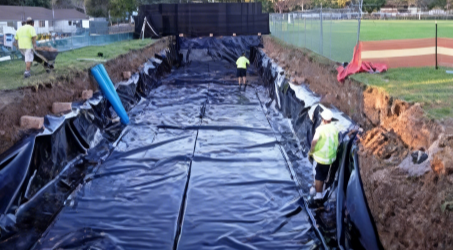
Step 2
Lay geotextile and geomembrane
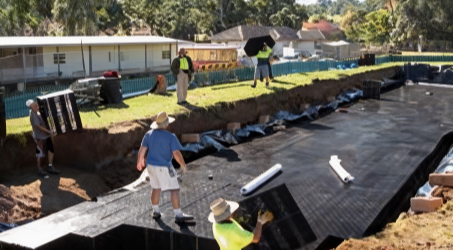
Step 3
Install modular rainwater storage units
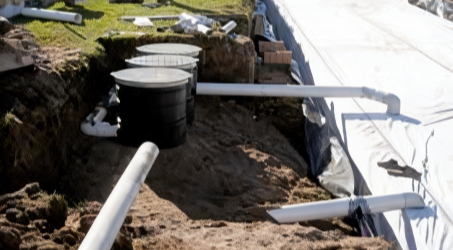
Step 4
Wrap modules with protective layers
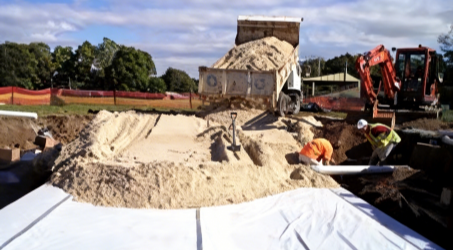
Step 5
Backfill soil

Step 6
System ready for operation


 

Application

This product is suitable for roof, underground, and roadway rainwater harvesting systems, and is typically installed after interception baskets, sand traps, or sediment pits as a first flush treatment unit. It is widely used in residential buildings, public facilities, industrial parks, and municipal rainwater reuse projects, effectively reducing pollutants entering storage tanks and improving both water reuse safety and system service life.