<
>


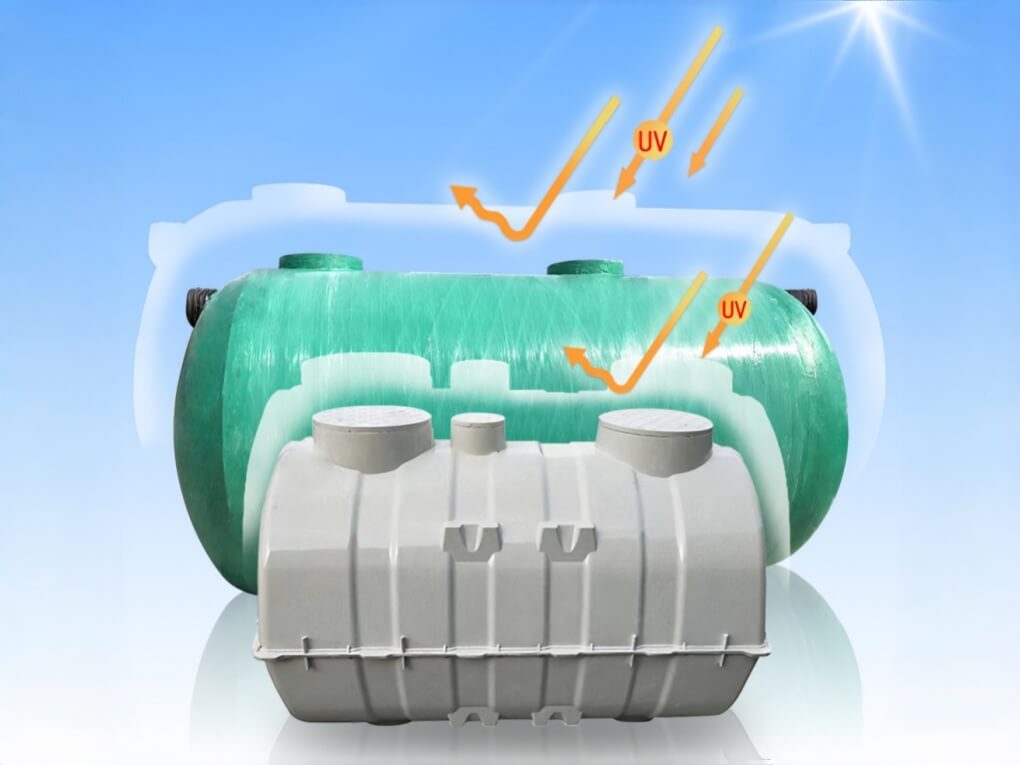

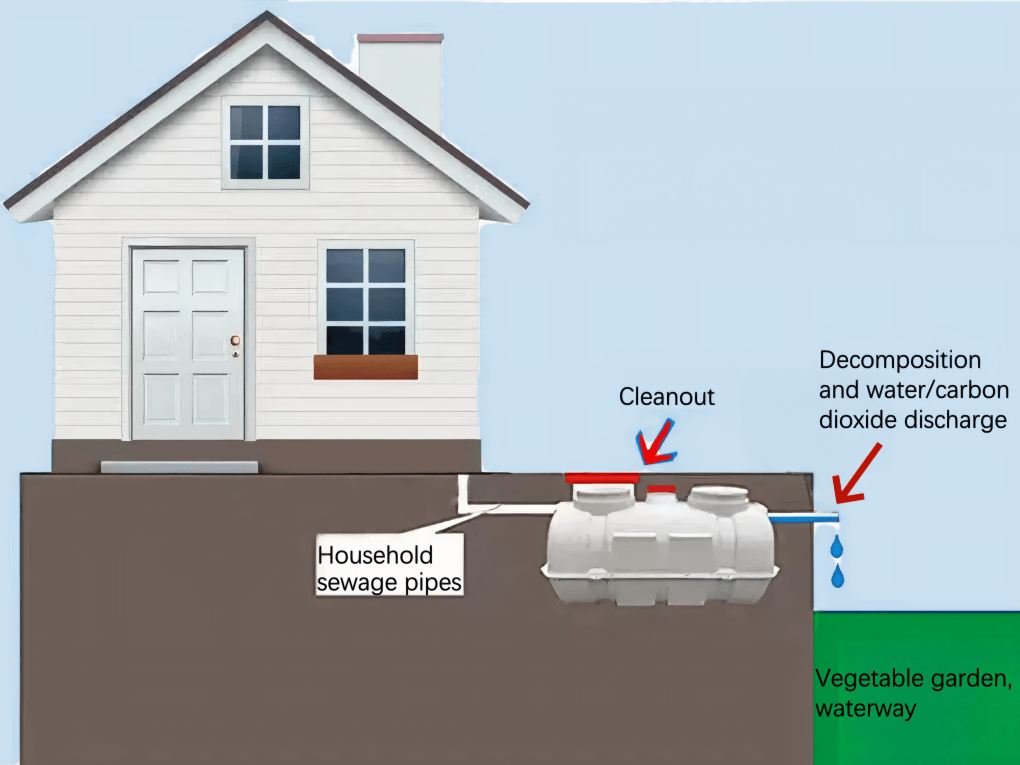
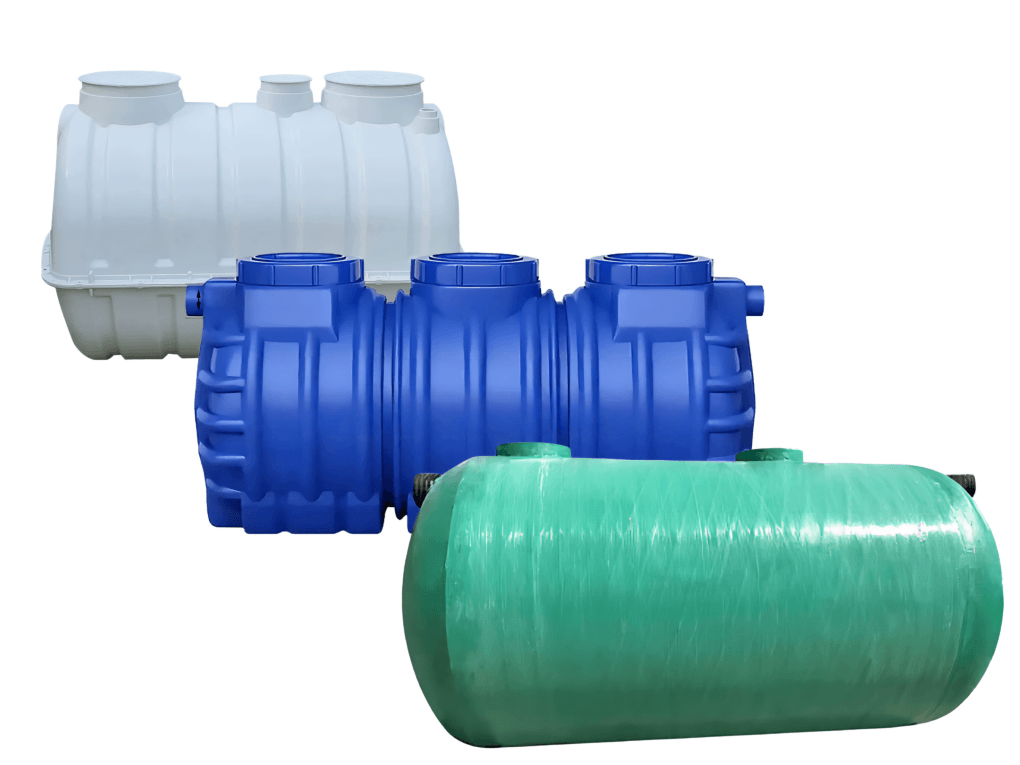
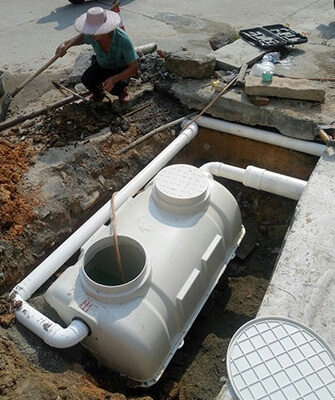
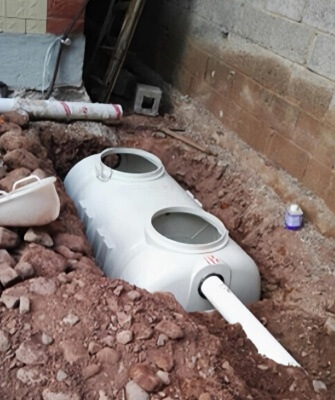
The three-chamber underground septic tank is manufactured from high-quality FRP (Fiberglass Reinforced Plastic) or PE materials, offering excellent corrosion resistance, high strength, and long service life. Through a multi-stage sedimentation and anaerobic digestion process, it effectively separates solids and decomposes organic matter, ensuring stable wastewater treatment performance.
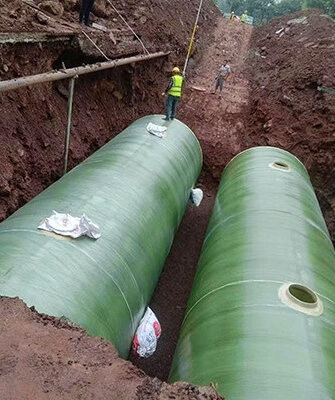
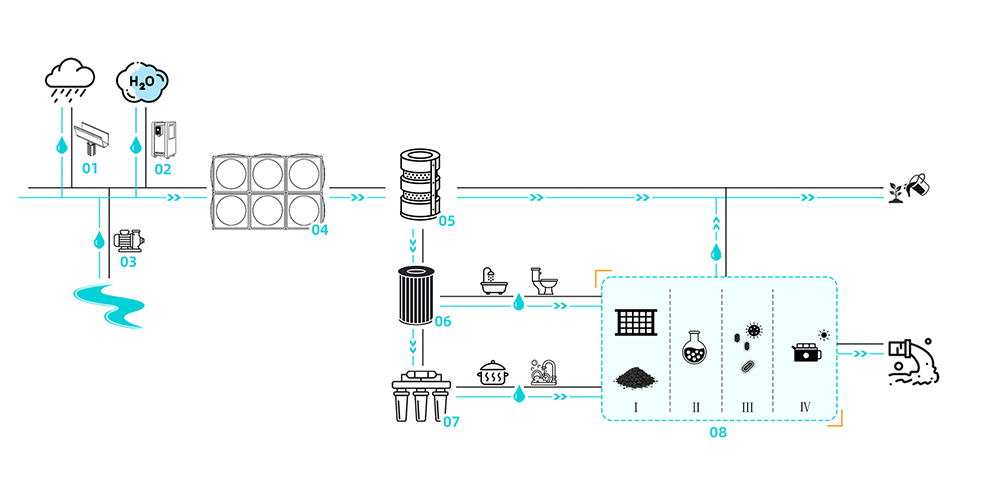
In practical applications, it is commonly used as a pre-treatment unit for integrated wastewater treatment systems. By reducing suspended solids and organic load before entering downstream equipment, it minimizes clogging risks and significantly extends the service life of the integrated treatment system while improving overall operational stability. With a modular design, it supports easy transportation, quick installation, and customizable capacity (0.8–100 m³), making it an ideal front-end solution for decentralized wastewater systems.
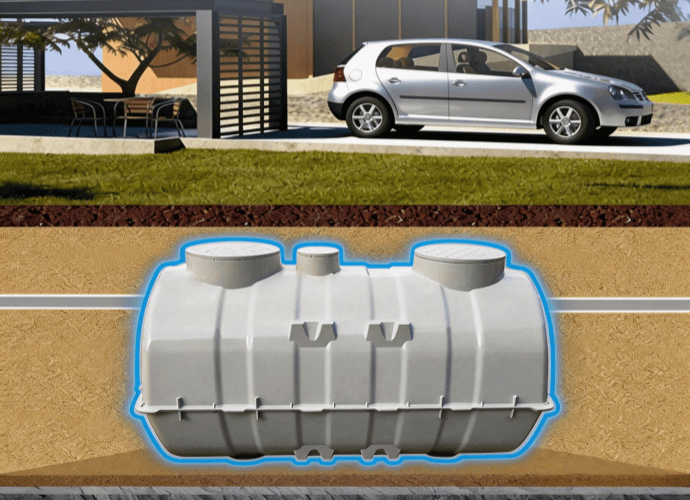
High Strength & Load-Bearing Structure
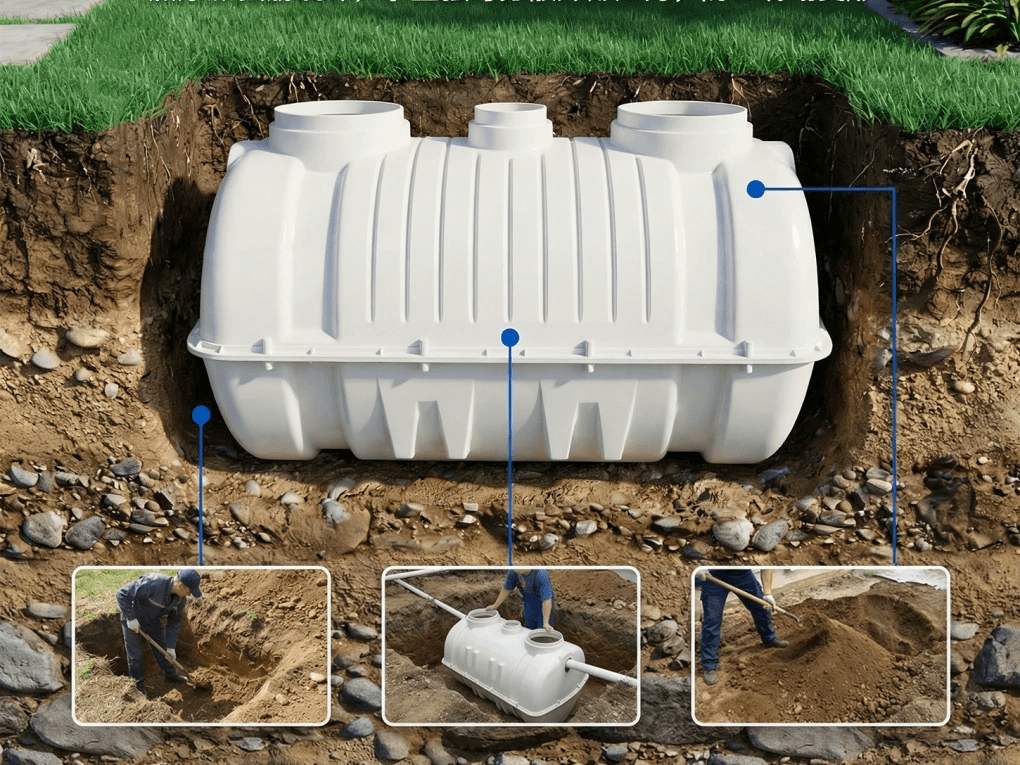
High-strength structure supports underground installation and
vehicle loads, adaptable to various burial depths and site conditions.
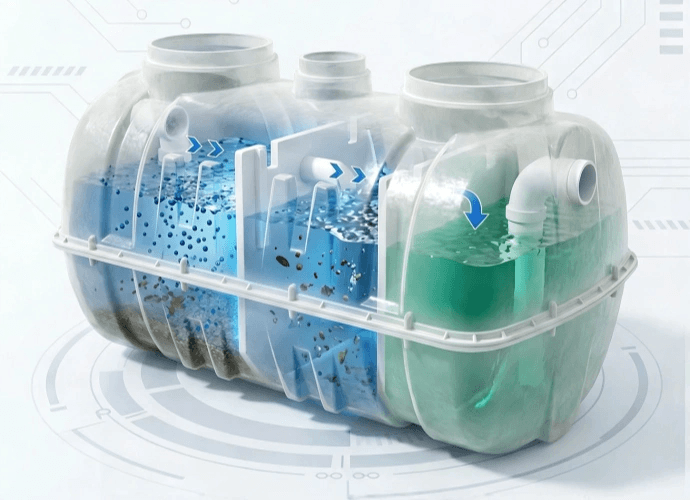
Long Service Life & Low Maintenance
Designed with sedimentation and anaerobic digestion, ensuring
long desludging intervals and minimal maintenance.
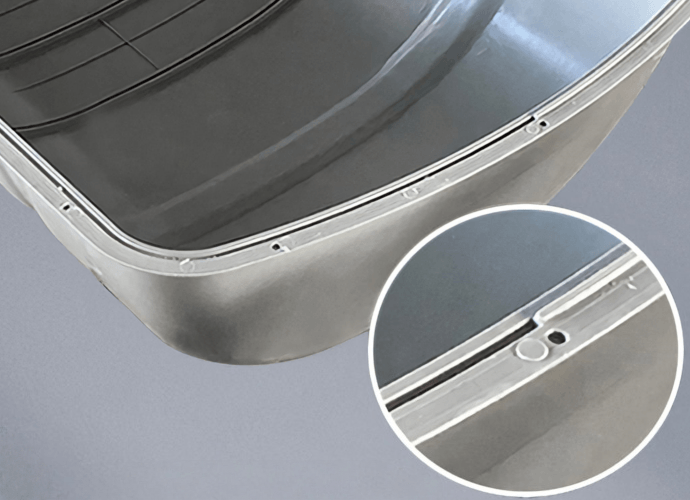
Superior Sealing & Leak-Proof Design
Mortise-and-tenon structure combined with sealing rings and stainless
steel fasteners ensures zero leakage and excellent corrosion resistance.
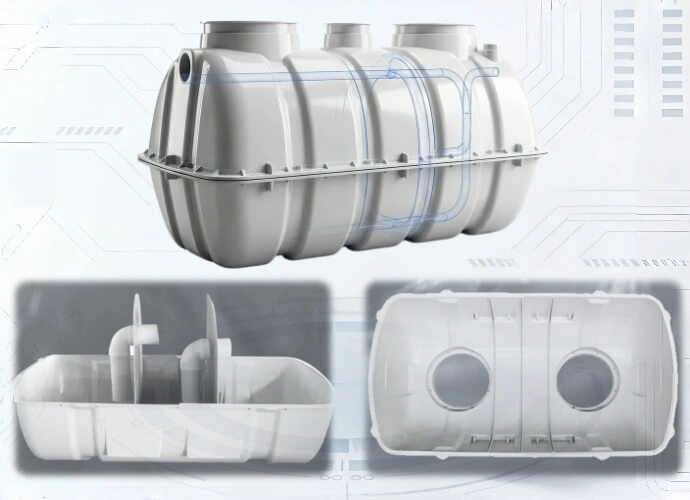
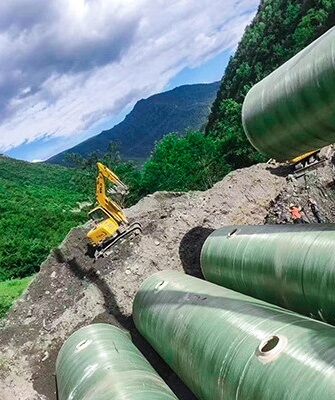
Modular Design for Easy Installation
Modular design combined with optimized structure ensures
easy transportation, quick installation, and reduced shipping costs.
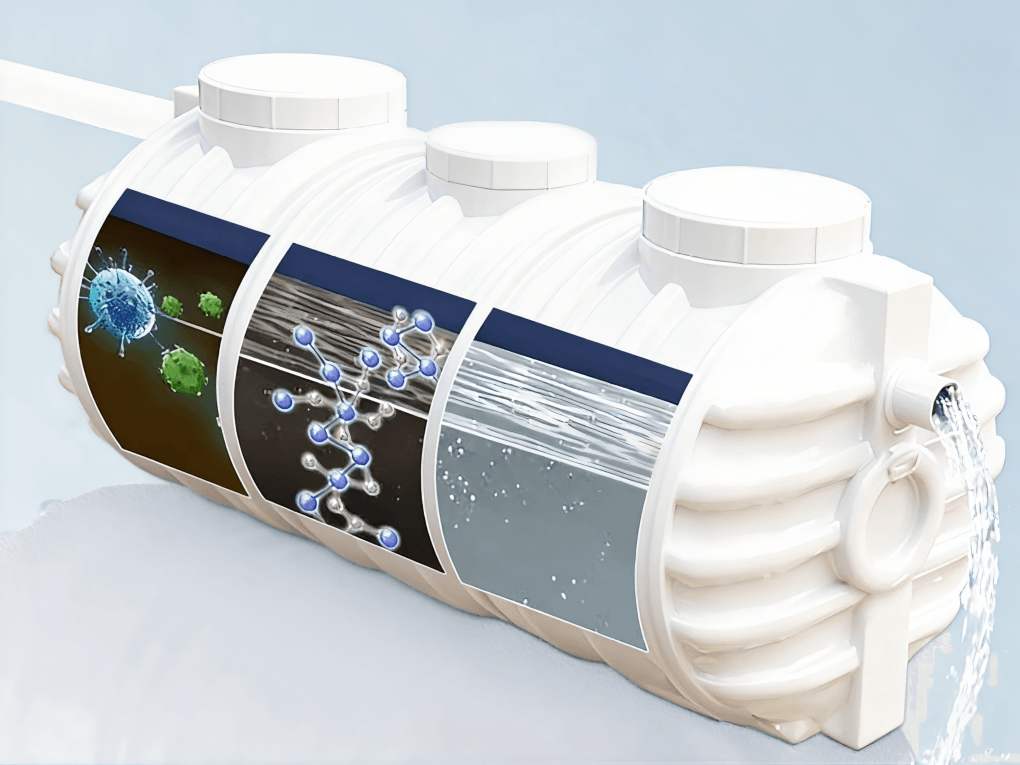
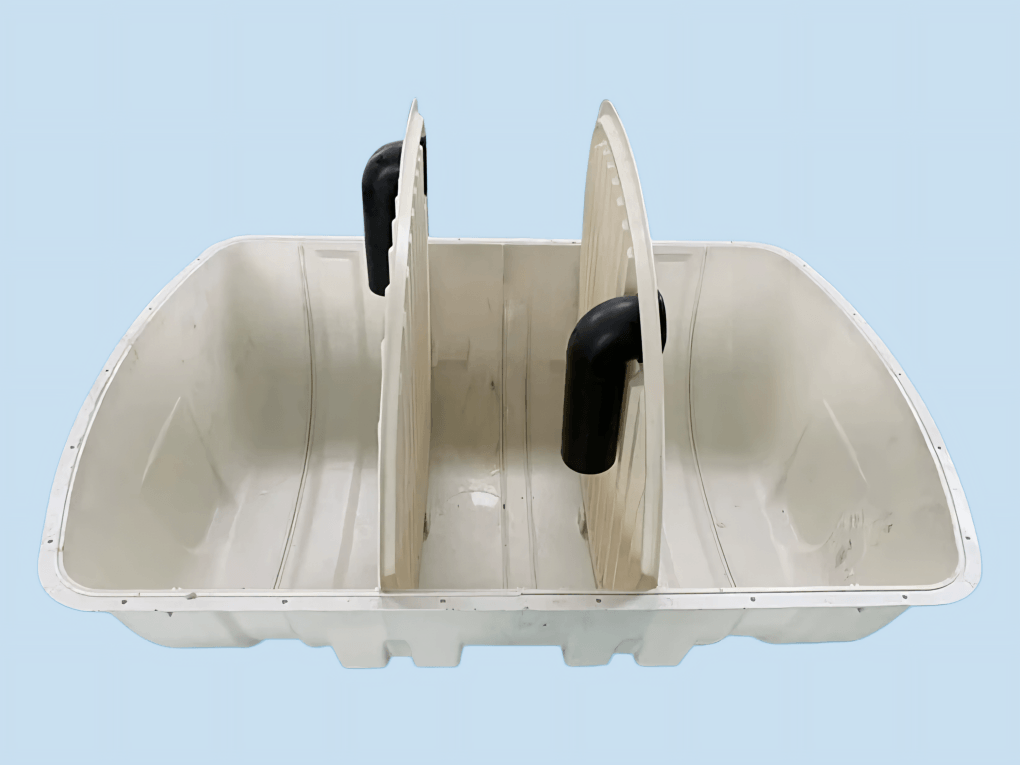
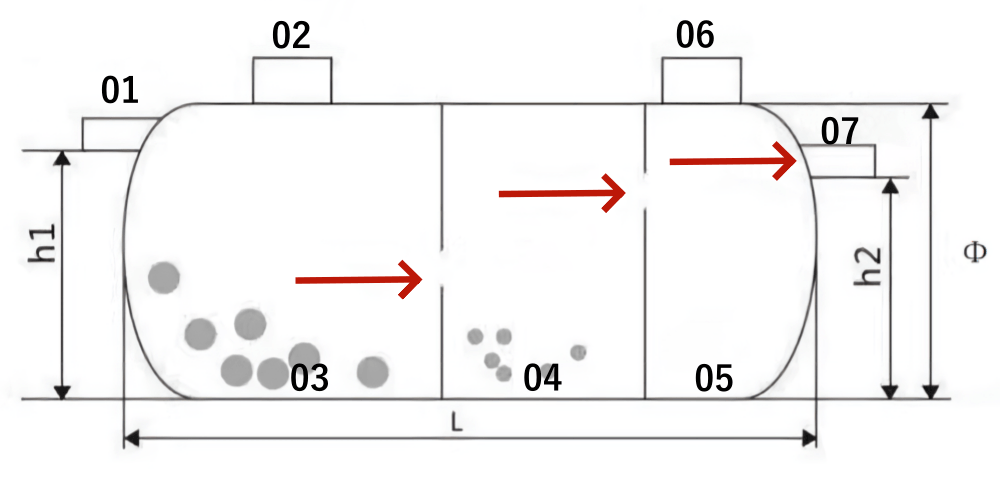
The septic tank operates with a three-chamber treatment process. Wastewater first enters the primary chamber, where heavy solids settle and begin decomposition. It then flows into the second chamber for anaerobic digestion, breaking down organic matter further. Finally, the water enters the third chamber for advanced sedimentation and clarification. Treated water is discharged through the outlet, while sludge remains for periodic removal, significantly improving effluent quality.
Widely used in villas, residential housing, rural households, small commercial buildings, and decentralized wastewater treatment projects. It is especially suitable for areas without municipal sewer systems, island developments, and temporary facilities. Its flexible capacity and modular design allow it to meet diverse project requirements and installation conditions.